
“Fix the roads!” That’s the big, shiny promise behind this monster bill. Sound familiar?
S. 831 takes a hatchet to a whole stack of South Carolina law. What’s left behind? More government. Always more government.
Remember when limited government was the hill conservatives were willing to die on?
Let’s circle back to this bill.
First, the obvious, it grows government. It creates a new Coordinating Council for Transportation and Mobility, giving it statewide planning authority and the power to override municipal infrastructure decisions by declaring a project “in the best interest of the State.” (57‑1‑25(A); 57‑5‑820(B)(2))
What will this new council actually do? It’s responsible for developing transportation plans and policies for South Carolina and for approving them itself. (57‑1‑370(A); 57‑1‑380)
The Coordinating Council sounds “efficient,” right? In reality, it’s another layer of finger‑pointing when the roads are still a mess years later. DOT can say, “Not our fault, the Council approved the plan.”
So, who actually gains power under this bill?
The Secretary of Transportation
The Coordinating Council
SCDOT
Private entities
And who loses power?
Municipalities (57‑5‑830; 57‑5‑820)
Counties, which lose flexibility on how they spend C‑funds and are pushed harder toward state priorities (12‑28‑2740)
Taxpayers, who get hit on the back end (57‑5‑105)
S. 831 is complicated for the sake of being complicated. Does any of this actually get our roads fixed sooner?
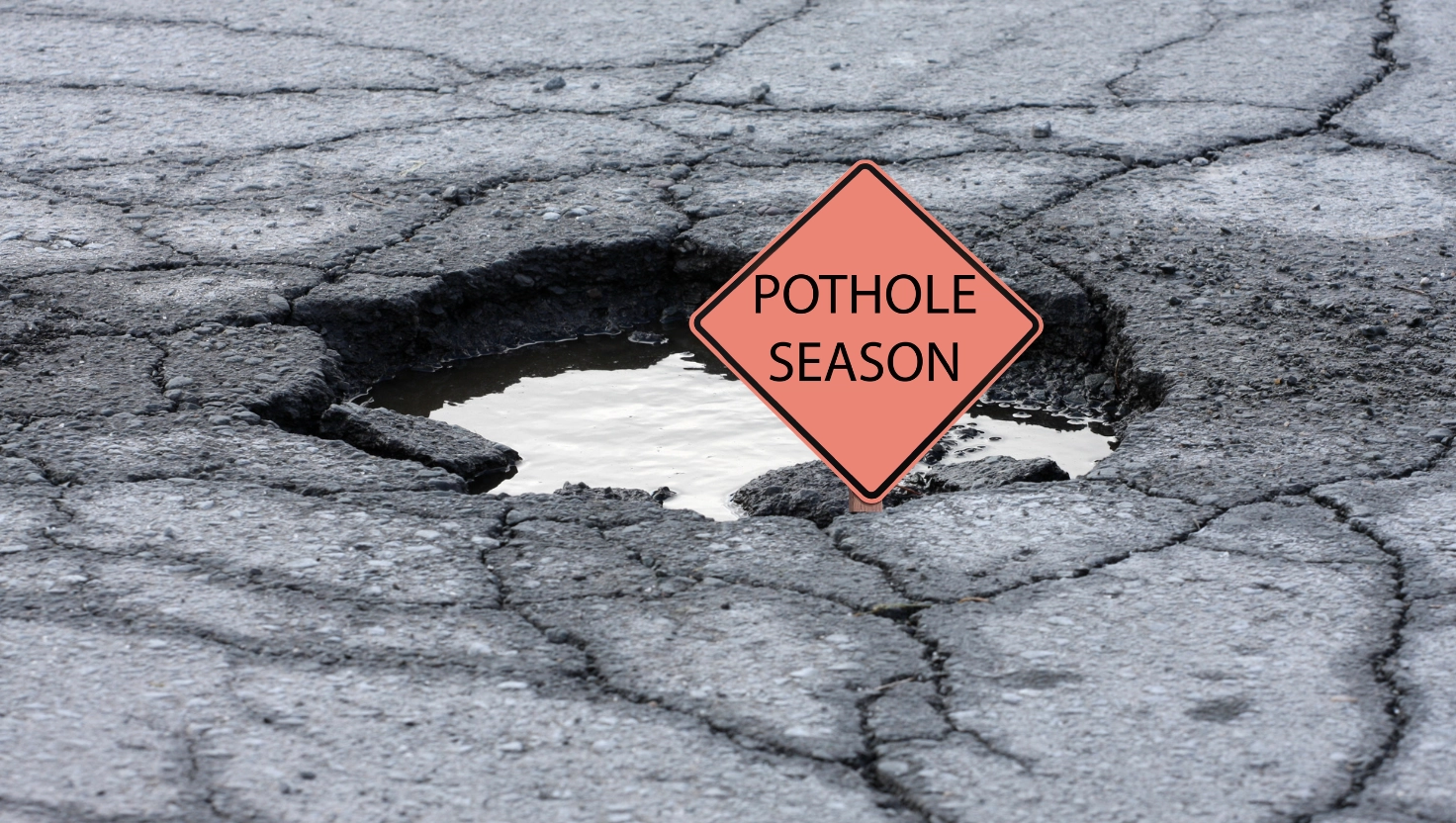
Oh, look, maybe this offers some hope. Scroll to the section at the bottom of the bill in Section 21, new Section 57‑5‑1800(A): “There is established within the Department of Transportation the Pothole Mitigation Program for the purposes of public reporting of pothole locations along the state highway system.”
How is this supposed to work? DOT gets another $15 million a year to keep patching the same state highway potholes over and over, plus a reporting app. You can already picture frustrated drivers sending in pothole reports every time their tire drops into one. They’d better wait until they’re parked, though, because the hands-free law is still in effect.
But come on, are we really supposed to believe this will make DOT fix every reported pothole within seven days? And who exactly is going to enforce that seven-day deadline? DOT is already responsible for maintaining state highways, including pothole repairs, so this sounds like government answering its own failure with another promise.
What about potholes on local roads, the ones this bill treats as “non‑essential”?
Non-essential roads are typically lower‑priority state‑owned roads such as neighborhood state routes, frontage roads, orphan segments, and small connectors.
Section 57‑5‑105 opens the door for SCDOT to pull “non‑essential” roads off the state’s books and dump them on counties and cities. It establishes a new System Realignment Fund that receives funding only if the General Assembly appropriates it or the Transportation Secretary moves cash out of the State Highway Fund, so there’s no guaranteed, permanent funding stream. Once locals agree to take those roads, guess what, now they’re the ones who have to hike sales taxes and road millage to keep the roads drivable.
Guess what else is in this bill? A toll road framework.
Layer 1: Permission setup – 57‑3‑615 (Section 5)
Layer 2: Private partner framework – 57‑3‑205 (Section 4)
Layer 3: Designation – 57‑5‑1320 through 57‑5‑1360 (Section 11)
Layer 4: Revenue – 57‑5‑1380 through 57‑5‑1460 (Section 12)
Layer 5: Enforcement – 57‑3‑800, 57‑3‑1345, 57‑5‑1495 (Sections 7, 8, 13)
Layer 6: Where toll money goes – 12‑28‑2920 (Section 19)
On top of state and federal gas taxes, registration fees, and higher EV fees under S. 831, South Carolina drivers will also have to pay tolls.
Now, about those public-private partnerships. The government hires a private company, pays them with your money (tolls, taxes, take your pick), and calls it a win-win. Taxpayers get a road a little sooner, and companies get a payday that’s basically guaranteed.
Reality check: S. 831 lets SCDOT sign contracts with private companies for up to 99 years, and your grandkids will still be paying them.
That’s enough with this bill.
What S. 831 really does is build more layers of government and more places to point the finger. Meanwhile, the roads will look exactly the same years down the line.
Here’s the question to ask your legislator: If my road is still a mess in three years, who do I vote out? If the answer is, “Well, it’s complicated, there are a lot of people involved,” that’s your red flag waving over the sign that this bill is bad.
Note: This bill is identical to H. 5071 and will be discussed on the House floor soon. Contact your House representative and ask them to vote no on this bill.
Disclaimer: The views expressed in this article are those of the author and do not constitute legal or professional advice. ConservaTruth assumes no liability for any actions taken based on this content. Readers are encouraged to review the bill text themselves. Read more.

Subscribe to ConservaTruth's Email Newsletter for curated insights on South Carolina's legislative activities and conservative viewpoints, delivered straight to your inbox! With vetted and easy-to-understand information, our newsletter empowers you to become an informed and engaged citizen, actively participating in safeguarding our cherished Constitutional values. Don’t miss out on crucial updates—join our community of informed conservatives today!

Comments