

South Carolinians, brace yourselves. Data centers are on the way, courtesy of Google, Meta, and the rest of the tech giants building huge operations here. Of course, politicians are pitching it hard as a jackpot of new tax money and massive job growth. But hold on. Let’s talk practicality. Is the cost-to-benefit ratio balanced for everyday South Carolinians? So far, the answer looks discouraging.
What exactly is a data center?
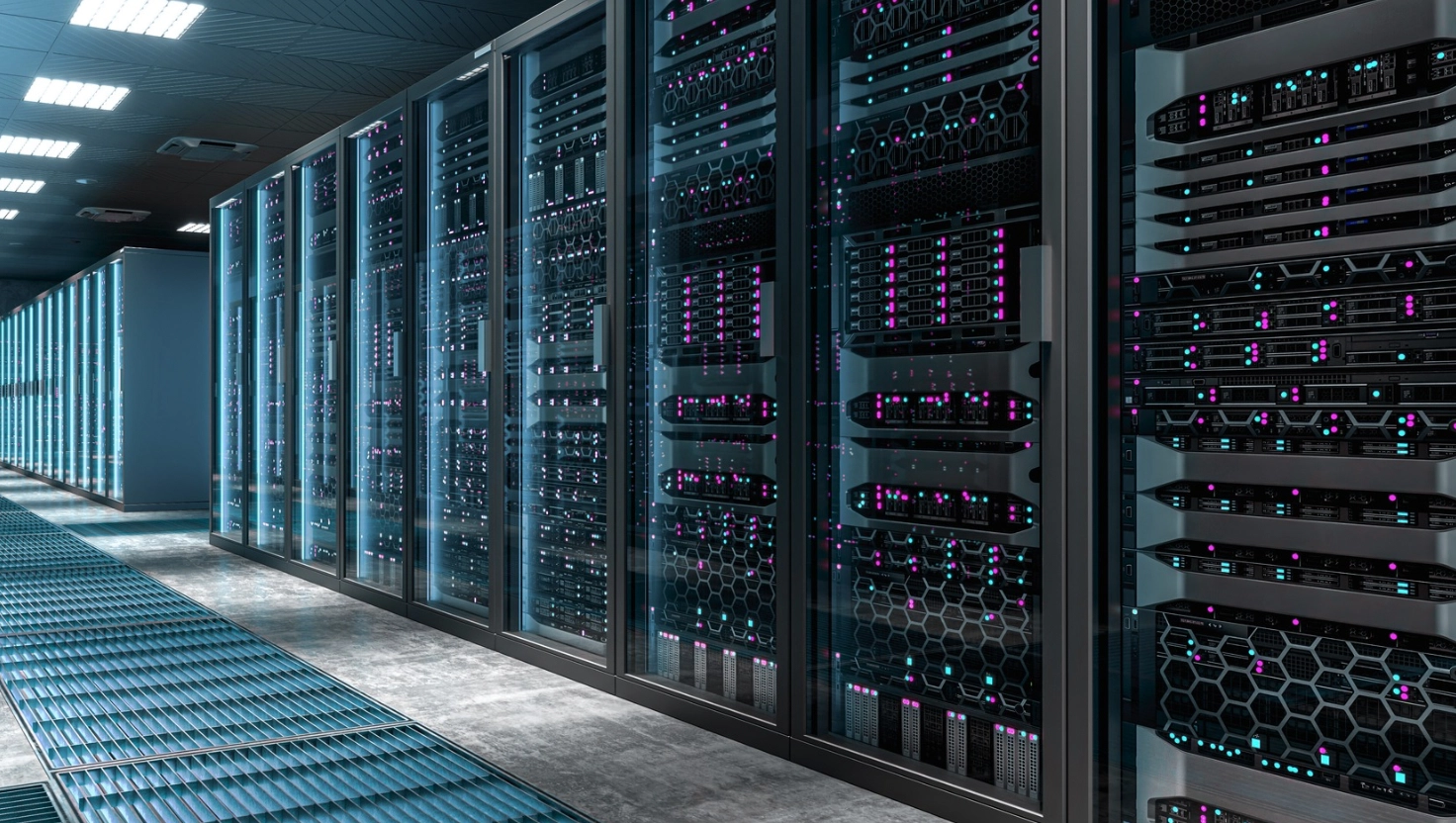
A data center is a massive industrial building, often as big as several football fields, filled with servers running 24/7. All that gear gets hot and has to be cooled constantly. AI is making this even more intense. Training an AI model takes way more power and cooling than just storing your photos or running a website. We aren’t just talking about a few extra wires; we are talking about buildings that use as much electricity as a whole city.
The $5 billion footprint on our land
In fact, these facilities are so power-hungry they often require entirely new power plants to be built nearby. In South Carolina, utilities are moving to build a $5 billion natural gas plant at Canadys in the ACE Basin, citing data center growth as the primary reason. This means a data center doesn't just bring servers; it brings a massive energy generation facility and miles of new pipelines, doubling the industrial footprint on the local land and water.
Why your power bill might go up
The real issue is who pays for the "way." Under our current utility system, when a massive new user shows up, the cost of the new power plants and lines is often "socialized," meaning it's spread across everyone’s bill. Right now, it looks like South Carolina is effectively subsidizing global corporate expansion at the expense of local ratepayers.
Competing for our water supply
Water is another problem. These facilities can "drink" millions of gallons a day to stay cool. In rural areas like the ACE Basin that depend on aquifers, this creates direct competition. If a facility pulls from the same groundwater as local farms and homes, the risk of depletion during dry spells is real. This is a threat to the very wells that sustain our communities.
Noise and health risks for neighbors
These are not quiet neighbors. There is a constant, low-frequency hum from the cooling fans that is disruptive at night. To ensure they never go dark, these sites house generator yards with hundreds of diesel units. They test these regularly, adding noise and diesel exhaust to the air. That exhaust contains fine particulate matter and nitrogen oxides, which are pollutants associated with respiratory and cardiovascular harm. For a community living nearby, this is a real environmental health factor.
The "Ghost Town" economy
If you put a manufacturing plant on 900 acres, you get thousands of jobs. With a data center, you get a “ghost town” of servers managed by a skeleton crew. Once the builders leave, there aren't many permanent jobs left, yet the companies often walk away with massive tax breaks like Fee in Lieu of Taxes (FILOT) agreements, where they pay a small fee instead of the full property taxes you pay.
South Carolina is at the front of the curve
South Carolina has roughly 31 data centers overall, but we are just getting started. Virginia, a state with similar land and population, hosts over 600 facilities. The major players are already here. Google is expanding in Berkeley and Dorchester counties with a multi-billion dollar investment. Meta is constructing an $800 million facility in Aiken, and QTS is developing a $1 billion campus in York County. Our subsea cable access and low power costs make us an easy target for tech giants.
The lesson from Bill H.3309
In early April 2025, the Senate passed its amended version of H.3309, the South Carolina Energy Security Act. It tried to strip tax incentives for data centers and force them into 15-year power purchase agreements with utilities to cover their own energy costs. However, the House stripped those provisions, leaving incentives intact and potential costs on ratepayers. Thanks to the House, the Senate’s added limits didn’t make it, and tech companies walked away smiling. Figuratively, of course.
What can citizens do?
Citizens have leverage, but only when engagement is early and specific:
Target the Tax Code: The sales and use tax exemptions that benefit data centers live in Section 12-36-2120(79). Repealing these exemptions stops the state from subsidizing these companies with your money.
Press the Cost-Shifting Question: Data centers demand resources at an industrial scale. Someone always pays, so keep asking who.
Use Local Control: Counties still control zoning and land use. Showing up at planning commission and county council meetings can slow projects before approvals are locked in.
Question the "Job" Narrative: You will hear legislators say data centers bring jobs. Ask how. These facilities run with minimal human presence once construction is finished.
Stay Skeptical: Be cautious of "top-down" fixes like H. 4583, the Data Center Responsibility Act, which has been introduced for the 2026 session. While it promises to shield the public, it may bring its own set of consequences and new layers of government oversight.
Data centers are coming anyway. That reality should encourage citizens to apply pressure early to stop projects where they can, or at least slow them down, before our government opens the door any wider and invites even more into the state.
Disclaimer: The views expressed in this article are those of the author and do not constitute legal or professional advice. ConservaTruth assumes no liability for any actions taken based on this content. Read more.

Subscribe to ConservaTruth's Email Newsletter for curated insights on South Carolina's legislative activities and conservative viewpoints, delivered straight to your inbox! With vetted and easy-to-understand information, our newsletter empowers you to become an informed and engaged citizen, actively participating in safeguarding our cherished Constitutional values. Don’t miss out on crucial updates—join our community of informed conservatives today!

Comments